4h 27m
YouTube
Learn Python — Full Course for Beginners
4 hours
Four and a half hours of Python from nothing, the course most people start with.
Beginner
Free Online CourseView course
Every course from every provider we track, with the same filters over all of them: level, length, price, certificate and who stands behind it.
132 courses for “Finite Element Analysis Tutorial for Evaluating Engineering Structures for Beginners”
4 hours
Four and a half hours of Python from nothing, the course most people start with.
45 minutes
Forty-five minutes of scikit-learn, from fitting a model to scoring it.
New courses, a couple of emails a month. One click unsubscribes.
32 minutes
A university lecture on evaluating a model: the measures, and what each one hides.
3 hours
Nearly three hours on time series: the components, the models, and the forecasts built from them.
10 hours
Ten hours of data mining: the techniques, the algorithms and what each is for.
19 hours
Nineteen hours across SQL, Tableau, Power BI, Python, Excel and pandas — the analyst toolset in one course.
5 hours
Five hours on analysing data in Python, from loading a file to a finished chart.
4 hours
Four hours of data analysis in Python: NumPy, pandas, Matplotlib and Seaborn.
9 hours
Nine hours of React, taught step by step.
5 hours
Five hours of React for somebody who has never written any.
9 hours
Nine hours of React in one course, from the first component to a finished application.
2 hours
Two hours of R, taught as what it is: a language built for statistics.
2 hours
Two and a quarter hours of R for beginners, taught in Hindi.
3 hours
Eleven lessons on MySQL, from the first SELECT to the joins and aggregates an analyst uses daily.
13 hours
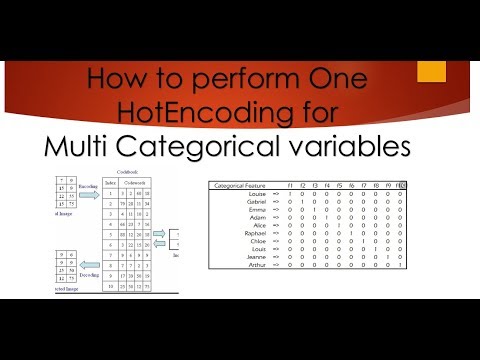
Sixteen lessons on turning raw columns into the features a model can use.
10 hours
Ten hours of business analysis from the beginning, for somebody with no background in it.
12 hours
Eleven hours on the big data stack, from what the term means to the tools that do the work.
1 hour
A live session working one real dataset end to end, from first look to engineered features.
2 hours
Exploratory Data Analysis (EDA)
Two and a quarter hours of exploratory data analysis in Python, taught in Hindi.
3 hours
Exploratory Data Analysis (EDA)
Three hours on looking at a dataset properly before modelling it, and on the features built from what you find.